It is not downtime it is time to try some more marketing.

Okay, I admit it. Sometimes your marketing wont hit the levels you’re after. I know I always write about successes and success rates; about how to overcome answerphones or how to get the best from key marketing initiatives, but don’t panic. Marketing is not all about sales. It’s about making sure that when your prospects are in the market for what you offer, you get a crack at selling yourself and/or your company.

Nothing you would have done to date will have been wasted when it comes to marketing. Marketing is a process, an activity that keeps going and shouldn’t have an end. If there is downtime in your business, don’t turn the marketing tap off. Invest that time into additional marketing activity. Write articles for your Blog, use social media to make new connections, speak to your existing clients or work on your website. Maybe even run some sort of offer to incentivise a sale – “For the next 30 days, I am offering a free 1 hour review of your xxxxx” or “for the next 30 days you can buy xxxxx at 50% off.” These elements all require time and not necessarily budget.

If you could “invest” in some paid for marketing, what about aligning your organisation with another complimentary one and hold some sort of seminar. I ran one at a hotel in Bristol many years ago with another company entitled, “Why cant I find my website on Google” and we packed out the room! We also had key media there who did a write up about the seminar afterwards.

Remember, the success of a brand is measured in decades not months or weeks and your success remains mostly in your hands. Plan your marketing for the next 3 months and stick to it. Set yourself a realistic target such as 1 new meeting per week. Collate the names of the key people you want to speak to and pick up the phone. You are the expert in your field and people need to know about what you can offer them. Make sure your marketing talks about the benefits you bring not the features. Send an eshot in advance of the phone call with a case study.

What you can do for someone is a lot more attractive than telling them what you do, trust me! When in a social situation and someone asks me what I do for a living, the mere mention of marketing tends to send people to the bar! Mind you, by the end of the night those people who head to the bar are the ones usually asking me questions about what they should do about their marketing!

Keeping in touch with your clients

This really is far more difficult than you think and I will come clean and say that we are not as good at this as we should be, but remaining in contact with existing clients is vital. I’m not talking about calling up a client and saying, “hello, it’s me. Got any new work for me?” What I am saying is that by keeping existing or previous clients up to date with your services, personnel, other projects etc, you can keep the relationship going and possibly cross sell some of your other services. It also means that competitors will have a much harder job of prizing your clients away from you.

It’s never a bad thing to appear hungry for more work or to show other work you may have done, but you do need to find the right catalyst, something new or something interesting which you can send or use as an excuse for a phone call.

Your keeping in touch doesn’t have to be via a dedicated email newsletter or a mail piece put through the letter box, which can be deemed as impersonal if not done correctly, it can be as simple as engaging with your contacts on Facebook or Twitter. I’m a big believer of people buying people and the after sales process is as important as making a sale.

Don’t expect results overnight, but do expect results. It is quite possible that returning business might take months or even years, but sometimes more business might not be the only goal. By being consistent to what sold you to this person in the first place is what keeps this person coming back to you rather than someone else.

And don’t forget all your other marketing activities should also be out there working for you as a constant reminder of your existence – PR, advertising, social media etc. It’s crowded out there in every market and everybody is making “noise” trying to be heard. It is the job of your marketing to get you heard by the right people at the right time and your existing clients are the ones who got you to where you are now. Look after them. Stay in touch with them and put together a plan to do this as part of your marketing strategy.


How to get the best from Direct Mail

I was asked again recently about Direct Mail and its uses when it comes to marketing, but I think it is imperative that we clarify exactly what direct mail actually means. There are lots of so-called definitions, but to me direct mail is the sending of printed marketing material to named prospects via the post. Direct mail encompasses a wide variety of marketing materials, including brochures, catalogs, postcards, newsletters and sales letters.

I’m sure that you receive direct mail on a daily or weekly basis, but, unlike other forms of advertising, in which you’re never sure just who’s getting your message, direct mail lets you communicate one-on-one with your target audience. That allows you to control who receives your message, when it’s delivered, what’s in the envelope and how many people you reach so it can be very effective when used properly.

With this in mind, here is a checklist for direct mail :

Have something new to say
Show the recipient you understand their business and/or predicament; appear helpful
Keep the mailing simple – test the mailer on your mum or granny!
Be relevant – try and get across a single message
Try and be provocative and definitely be interesting
Put your offer on one page if you can
Sign it yourself – personalisation still goes a long way in today’s mass world
Hand write the envelopes if at all possible
Don’t be afraid to test
Double check for typos!

With any type of direct mail, appropriately timed follow-up is key. Mailings with phone follow-ups are most effective. Don’t wait too long to contact your customers after doing your mailing: After several days, call to ask if they’ve received your card, letter or e-mail. If they have, now’s the time to make your sales pitch.
If they haven’t, mail them another ASAP!

Marketing. What do I need?

Fact: The marketing sector is huge.

I don’t just mean huge due to the amount of companies and organisations out there to choose from, but also huge due to the actual initiatives that fall under the heading of marketing. For example, networking, social media, design, websites, SEO, PR, advertising, print, exhibitions, webinars are all forms of marketing so where does the average organisation start when it comes to its marketing and how does it find the right company to help?

The answer of what you need is not easy and certainly isn’t set in stone as each organisation is different and may well be at different stages of its life-cycle, but there are certain key elements that you should have in order to present (market) yourself to your prospects. Namely, an identity, a website, business stationery and some sort of mini brochure. These elements lay the foundations for your marketing and should be what you invest in first. I say invest as that is what it should be, an investment. You’re investing in your business and its future.

In terms of the company, well there are loads out there and even platforms where you can design a logo, website etc yourself online. But……before you start, put yourself in the position of a prospect. In order for them to start to think about doing business with you, what impression would they need to have? Do you want a piece of clip art for your logo, a free website template and some sub standard business cards done online on the cheap??! I think not.

Marketing platforms have become incredibly accessible these days, but that doesn’t mean that doing your own website is going to be the right thing to do. You can apply this to any other professional service. Would you write your own Will or cut your own hair or do your own accounts or build your own house or would you seek professional help? I know what I would do!

Similarly, just because you can set up a Linkedin page or a Twitter or Facebook account it doesn’t mean you should. Always ask yourself, “why” am I doing this? These types of platforms are all different and all have different audiences so don’t just link them so that one Tweet goes out across everything. Put time and effort into how you use them and make sure that the content you post is relevant. Linkedin is for businesses. Twitter is social networking and Facebook is more of a B2C platform.

I would not advise investing large amounts of money on just your logo and brand. There are companies who will design you a logo for not a lot of money and others that will charge a fortune so be careful. When Bath Marketing Consultancy sees new companies, we advise them to try and source a single company who can look after everything for them if required; be a sort of custodian for the company. The logistics of sourcing and working with multiple companies to deliver each marketing element can become impossible.

Similarly, if you appoint 1 company to design and build a website, 1 to design a logo etc then that is all you will get; a single deliverable so there are unlikely to be any economies of scale!

As usual, BMC is here if you need any help!


The new business pitch

In my time I’ve been involved with many “beauty parades” vs other agencies and I can safely say that they are incredibly time consuming and can tie an agency up in knots as well as drain resources. So, if you’re asked to pitch for some business, the only acceptable outcome is winning. There really is no point in coming “a close second.”

In a pitch situation, I would expect that you’ve gone past the selling a meeting stage with your sales and marketing activity and now you’re most likely one of four or five companies in the running to work with this prospect in some sort of formal and professional way.

In contrast to an initial meeting or a creds presentation, which are usually a fixed format with the content decided by you, the competitive pitch is led by the client. Of course, not all pitches are the same, but the principles of making a successful one remain the same.

Firstly, clarify and maybe even challenge the brief. Ideally, the prospect should’ve written down the brief so that the playing field is level for parties involved. If you see something you disagree with, now is the time to ask for clarification or to question it. The same applies if the timescales or the budget are not realistic.

From experience, always research the attendees, their roles, the environment you are pitching in and the resources available on the day. I say this from experience, as many years ago I took a team to pitch Group 4 (as it was called then) and we arrived with 3 people in our team and were confronted with about 25 people from Group 4 and felt very under-gunned. We also were not given the correct information about what tech was available and ended up having to power up a projector using a kettle lead from the kitchen. We did, however, win the account!

Plan your team and appoint a pitch leader who can draw up a timetable and manage things. Do not add the title of pitch leader to their day job as an account director if they are already incredibly busy. Existing and paying clients should, and most likely will, take priority which will impact on the timetable.

I always used to try and ascertain who we were “up against” so I could make comparisons…in our favour! And finally, don’t get separated from your pitch material. Once a colleague of mine turned up to the pitch having left the presentation in his hotel room. We didn’t win that one.

But……..before you tie up your resources, step back and think very hard as to whether the end justifies the means. Is this prospect likely to just want lots of free ideas or are they serious and “in the market.” At Bath Marketing Consultancy, we charge people for our time if asked to pitch. There are other elements to look at such as how far you are prepared to go both geographically and with any ideas you want to present. In the marketing industry, too many agencies turn up at beauty parades armed with fully designed and rolled out marketing campaigns. This, to me, shrieks of desperation where the old adage of throwing mud in the hope that some sticks works. The prospect could then be forced to make a decision on whether they like the creative and hence, judge you purely on design. A subjective element to say the least.

I could go on and on about the negative side of the beauty parade, but you have to decide whether to speculate to accumulate and if so, how much speculation is required!

2016. Look at these marketing ideas to make it a good one

I don’t know about you, but I have received countless email campaigns so far this year offering to “increase my sales in 2016” or “improve my website” or “increase my rankings.” Now I know that these are from companies playing the numbers game and blasting thousands of emails addresses from some sort of purchased list, but I am curious to know whether they actually get engagement.

Have you received these types of emails and, if so, what action do you take with them? My inclination would be to say that they get deleted fairly quickly. However, what would happen if you were wanting to improve any of the marketing areas the email you received suggested; you were “in the market” so to speak?

A lot of marketing in January contains some sort of resolution or objective for 2016 so if you were in the market, the category of the email would suddenly change from being junk or spam to being relevant and may well hang around in your in box. It is unlikely that it would be acted upon, but it may well get you thinking.

Now apply this sort of approach to your own business. Do you email your clients and prospects offering to do something for them or promoting a new service you are offering? If you’re not doing this, then you could be missing a trick. For 2016 instigate some sort of plan to market to your targets. Email marketing is all about relevance and timing. It shouldn’t be a numbers game that becomes a spamming exercise. Construct a clean database and categorise the recipients and tell them something relevant and useful. If you’re not doing this, then you can bet your competitors are!

Another marketing consideration for 2016 is to make sure you have a consistent brand and reputation online. For example, are all your social networking platforms up to date and displaying the correct information? With regards to messaging and tone, are you just spouting a monologue from Twitter full of facts or are you engaging with people and connecting with them?

Customers these days are able to huge amounts of due diligence online before they make a decision whether to contact you or not so make sure your website looks modern, says the right things and can be viewed on all platforms including tablets and smart phones. It is also worth asking for reviews from customers (providing the experience was a good one!) and displaying these reviews on Facebook.

Finally, if the turn of a new year has re instigated your enthusiasm and you want to expand or reach a certain new goal, invest in marketing yourself and your business. 2016 doesn’t mean that you can just do what you did last year with the same website, logo, advertising etc and expect the market to change. My suggestion would be to try and get a totally independent view on where you are in your marketing activity. Engage a marketing professional if need be and work together to construct a realistic and fully costed plan.

By looking at these marketing areas, I am confident that 2016 will be a great year!

Marketing. Sales. Planning

Marketing involves a lot more than selling alone and I would always advocate having some sort of plan of action. This will mean that the entire function of marketing not only has a direction, but is committed to and taken seriously by your organisation. Without the right level of commitment, marketing can quickly become tiresome and could lose the necessary motivation needed to succeed.

Marketing should never be perceived as a cost. The process of marketing should be seen as an investment and you should feel confident that everyone is aware that no quick fix is being attempted, but rather a long-term effort. Marketing requires grafting and although a quick fix is quite often a desirable outcome, marketing can take time to yield. In fact, I was told early in my career that successful brands are measure in decades rather than years.
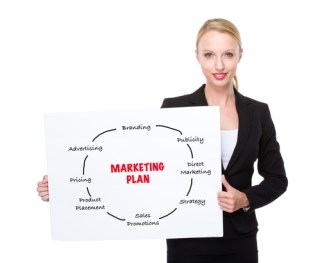
So, what is the plan? What is it you want to achieve? Doubtless increased sales will figure in your objectives somewhere, but what type of sales? Where would these sales come from – new client acquisition or cross/up selling existing clients? What do you want to tell these people, when and how? What is your “offer” to them? Why would they buy from you?

Yes, there are lot of questions to answer when it comes to planning your marketing, but by peeling back the layers, you’ll be forming that plan. As it starts to come together, you’ll also need to look at other elements like budget, any seasonal fluctuations, the allocation of internal resources etc and this may well require the engagement of an external specialist. Don’t be ashamed to ask for help! Employing an external marketing specialist who will have an independent view of your company and plans can make a huge difference. Make your marketing plan and objectives “SMART.” Simple. Measurable. Achievable. Realistic. Timed.

Some organisations have an internal marketing function or attempt to cover the area of marketing under “Business Development.” Be warned BD experts are not necessarily marketing experts. BD people (especially from the FMCG sector) are very good relationship builders and “closers.” They are able to build rapor with prospects quickly and gain trust, but they need elements like a strong website, a clear brand, marketing material, an effective communication strategy so that your organisation is seen as a centre of excellence. These elements fall under the heading of effective marketing!

Similarly, I have come across professional services organisations who allocate marketing to a junior partner as some sort of reward (or punishment!). That person then has this additional role tasked to them and then the added pressure of their day job + this new role of marketing. In my experience this doesn’t work well and doesn’t show that commitment I touched on earlier in this article!

What to do when planning advertising

Theories about advertising come and go, but the basic starting point for designing an advertising campaign is the USP. As a minimum, there must be a USP – Unique Selling Point – compromising a benefit which is uniquely yours and which attracts. Then you must gain attention from the reader.

Creating a print ad with both these elements is a skill which, in my opinion, demands the hiring of professionals. A good idea drawn on a napkin during a business lunch is not normally a good way to plan an advertising campaign!Nor should you be using the publisher to design your advert. Many publishers offer “free design” as a part of their sales pitch and you must resist the temptation to take them up on their offer! They do not know your business or what your aims are so may well miss the point altogether. In my opinion, there must be no economising at all with advertising and no DIY.

Many designers will relish the chance to display their talents in print and there are many companies to choose from, but set a clear budget and give a clear brief or the design could end up costing a lot more than you thought. If you do make your advertising professional you will stand out from the crowd and this is a worthwhile investment.

At the risk of repeating myself from other posts, please don’t forget to have some sort of response mechanism in your advert. After all, a key aim should be to sell a meeting so give your target market the chance to identify themselves! Some companies display the name and details of a senior person within the organisation to encourage a response.

When purchasing advertising space there is one key word – negotiate! Very few companies will pay “rate card” so nor should you. Explore a special offer or an introductory offer if you are a new advertiser. I would suggest you avoid advertising in supplements as these are generally a vehicle for the media to generate additional revenue and you will quite often find yourself surrounded by your competition which will reduce your potential impact.

Fight to get a colour spot if there is a difference in cost between colour and mono advertising space. Try for a full page for the cost of a half and try for a repeat ad at no additional cost. Some agencies (like Bath Marketing Consultancy) have very good links with the media and can negotiate an advertising package on your behalf which may well include a press release or a news snippet in the magazine or paper. However, most agencies will take a commission from the media so beware of costs (BMC do not).

And then there is the internet……………..

Put together a communications plan

When thinking about marketing I would advise that, wherever possible, you try and construct a holistic communications plan that sets out realistic objectives and a strategy to achieve them. There will always be external influences when it comes to achieving objectives so keep an eye on any awareness and/or public barriers that may exist such as the economic climate, new competition Marketing Planning entering the market or maybe shifts in consumer trends.
If your organisation is of a certain size, it is essential that your strategy is presented internally so that everyone is in agreement with the plan and knows what the aims are. You’d be surprised how many times we’ve worked with multi site businesses where marketing is directed from a single office and is not passed on internally! After all, every employee has the ability to contribute to the success of the organisation and can play a part in the actual brand.

If, for any reason, there is a degree of uncertainty or any disagreement about the plan or existing perceptions of your company, then maybe look at implementing some sort of research among existing clients as well as an audit with the primary media to gauge levels of awareness and attitudes to the company.

The key to a successful marketing strategy is to set realistic goals and then communicate them and there is no shame in asking for specialist help in this area. I am the first to admit that my company is not a specialist when it comes to IT or accounting so I buy in help . In marketing, whether you are an owner/manager, the MD of a large multi national or head of a marketing department, sometimes an external and unbiased view of where you stand and where you want to be can make the difference as to ultimately whether things the business succeeds or fails.

Not only that, but no company wants to head up a certain path having made a quick decision on its future. This type of approach can be incredibly costly and hard to undo if you get it wrong. Investing in help at the start of the financial year or maybe after a change in trends will likely yield the biggest return.

There’s no such thing as junk mail

This is a bold statement, but junk mail is not a label I would give to bulk mailings be they printed or emailed. To me the term should be more like misdirected mail or poorly targeted mail.

Back in 2011, 21.9 million UK adults took action thanks to Direct Direct Mail for Marketing
Mail they received. Don’t be surprised by that figure – Direct Mail is still
making a difference to marketers and customers alike, with an impressive 48% of the UK population responding to a Direct Mail piece they received in the past
12 months. In fact, the stats for including direct mail to the marketing mix are quite compounding –

  • Of the 21.9 million UK adults to respond to Direct Mail, 6.2
    million went online to order something, and 7.3m went to a store to order
    something in person
  • 8.3 million of those who received a mail piece kept it to
    view again in the future
  • 9 out of 10 people open Direct Mail (FastMAP).
  • 49% of adults are more likely to open Direct Mail if they
    are intrigued by the package (British Market Research Bureau, 2010).
  • 75% of customers like receiving special offers and vouchers
    via Direct Mail (British Market Research Bureau, 2010).
  • Direct Mail response rates stand at 3.42% (Direct Marketing
    Association).
  • The opening rate for Direct Mail sent to prospects stands at
    91%, making it the best way to bring on board new customers (Billets Media
    Monitoring).
  • 95% of mail from stores, 95% of mail from gambling companies
    and 99% of mail from department stores is opened or responded to (Billets Media
    Monitoring).
  • 17.7m people ordered after receiving a mail order catalogue
    in the past 12 months (Royal Mail Consumer Panel, 2010).
  • Return on Investment and Costs
  • Catalogues have the lowest cost per lead of all Direct Mail,
    followed by inserts (Direct Marketing Agency).
  • 34% of business to consumer marketers consider Direct Mail
    to provide the best return on investment, making it the best method of marketing
    in their view (Target Marketing).
  • 29% of marketers are increasing their Direct Mail budgets in
    2012, and 49% will keep their budgets the same (Target Marketing).
  • The ROI of Direct Mail has increased year-on-year for the
    last decade, standing at £3.20 in the last OMD Brand Science report.

– Source. Central Mailing Services.

But how do you utilise your direct mail campaigns to give them the best chance of success?

  1. Have something to say
  2. Show the recipient you understand their business and their challenges
  3. Keep your message simple
  4. Be relevant – stick to 1 message
  5. Put it all on 1 page if possible
  6. Sign it yourself – personalisation is still an advantage
  7. Hand write the envelopes
  8. Don’t be afraid to test – maybe do a pilot campaign to start with
  9. Follow up
  10. Double check spelling and grammar
  11. Be interesting and maybe even provocative to gain attention

In direct mail campaigns, always include some sort of response both for the intrinsic value and also to aid the follow up and make sure that you are able to handle responses.